The Ministry of Interior continues to adopt a policy of denying temporary release for political prisoners in urgent humanitarian cases, including cases of death. This policy raises growing human rights concerns due to its psychological and humanitarian impact on prisoners and their families.
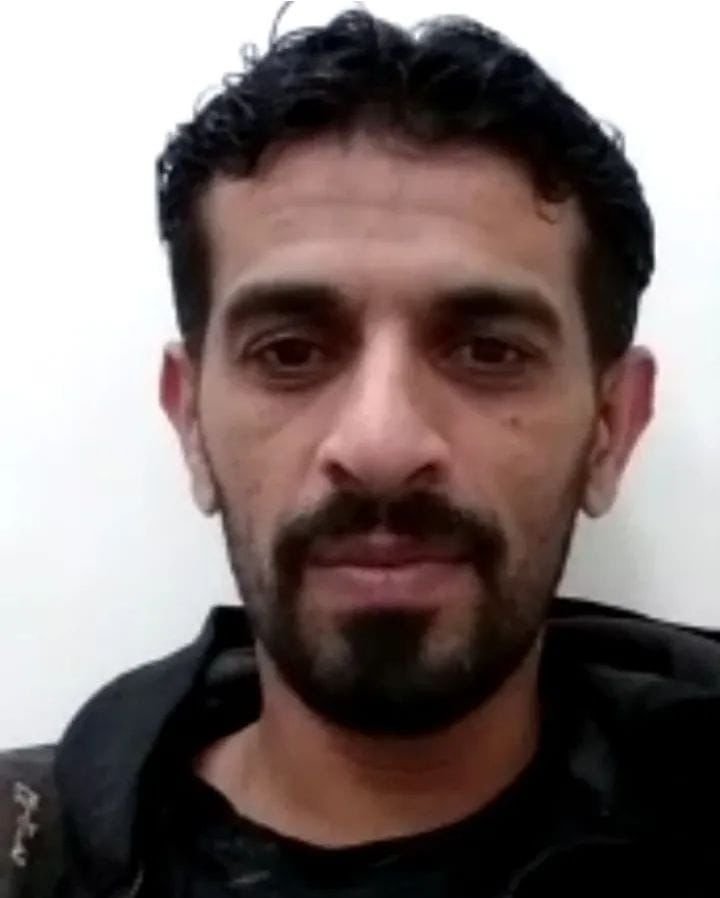
In this context, political prisoner Mahmoud Abdulrasool Salman Makki was deprived of the opportunity to benefit from temporary release to attend the final farewell of his grandfather, Haj Salman Makki Ali. This measure contradicts the humanitarian considerations that should be taken into account in such exceptional circumstances.
The applicable laws and regulations, along with relevant international standards, allow for the regulation of temporary release or humanitarian leave under specific controls and procedures, achieving a balance between security requirements and humanitarian considerations, without posing any threat to security or public order.
International standards, including the United Nations Standard Minimum Rules for the Treatment of Prisoners (the Nelson Mandela Rules), emphasize the importance of respecting family ties and reducing the psychological suffering of prisoners, especially during times of grief and loss. Ignoring these considerations may negatively affect the conditions of prisoners and their families and undermine trust in the justice system.
Accordingly, we call for:
-
Reconsidering the policy of temporary release in humanitarian cases.
-
Enabling prisoners to bid farewell to their loved ones in accordance with applicable legal frameworks.
-
Strengthening a humanitarian approach in the management of correctional institutions, in line with human rights obligations.
Taking humanitarian aspects into account in the enforcement of sentences is an essential part of respecting human dignity and does not conflict with the rule of law.